This Is How You Eat Your Dinner: You Will Feel Something Amazing
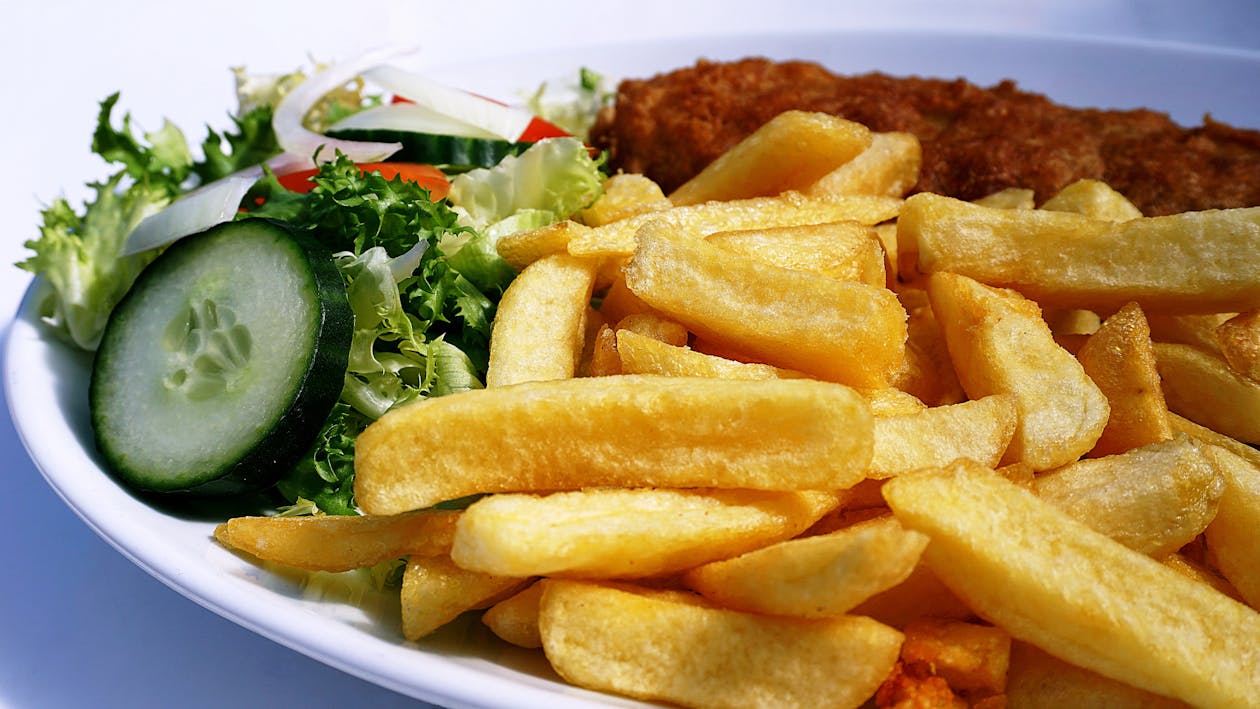
Dinner is more than just a meal; it's an opportunity to nourish your body and mind after a long day. It’s a time to unwind, connect with loved ones, and indulge in delicious food. While the dinner table offers a variety of options, the focus should be on providing your body with the nutrients it needs for optimal health. Both children and adults benefit from a balanced dinner, though their nutritional requirements can differ. Understanding what goes into a healthy dinner can lead to improvements in physical health, overall well-being, and energy levels. This report delves into the importance of dinner, the key nutrients it should contain, how to prepare a healthy dinner, and tips for maintaining good health after the meal.
How Dinner Affects Physical Health:
Dinner plays a significant role in maintaining physical health. It is the last meal of the day, and it provides the body with essential nutrients to repair and rejuvenate cells, build muscle, and support vital functions during the night. When prepared thoughtfully, dinner can improve digestion, boost metabolism, and provide lasting energy. On the other hand, eating an imbalanced or overly large meal before bed can cause indigestion, disrupted sleep, and an increased risk of weight gain.
For Children:
Dinner for children should be rich in growth-promoting nutrients such as protein, calcium, and vitamins to support their development. A well-balanced meal can help children maintain energy levels throughout the evening and sleep more soundly. Inadequate nutrition at dinner can affect their concentration, learning abilities, and overall mood.
For Adults:
Adults need a dinner that supports overall health, including maintaining a healthy weight, supporting metabolic functions, and ensuring proper nutrient intake to prevent chronic diseases. A well-balanced dinner can help control hunger levels overnight and prevent overeating in the morning. Inadequate nutrition can lead to fatigue, muscle loss, and long-term health issues such as cardiovascular diseases and diabetes.

Types of Nutrients to Include in Dinner and the Amount Required for One Person:
 |
Note:
The amount of each nutrient can vary depending on age, gender, and activity level. This table is based on an average adult's needs. Children's nutrient requirements may be lower or higher depending on their age and activity level.

Preparing a Healthy Dinner:
Menu:
- Grilled Salmon with Lemon & Herbs
- Quinoa Salad with Roasted Vegetables
- Steamed Broccoli with Olive Oil & Garlic
- Fresh Fruit Salad with a Drizzle of Honey
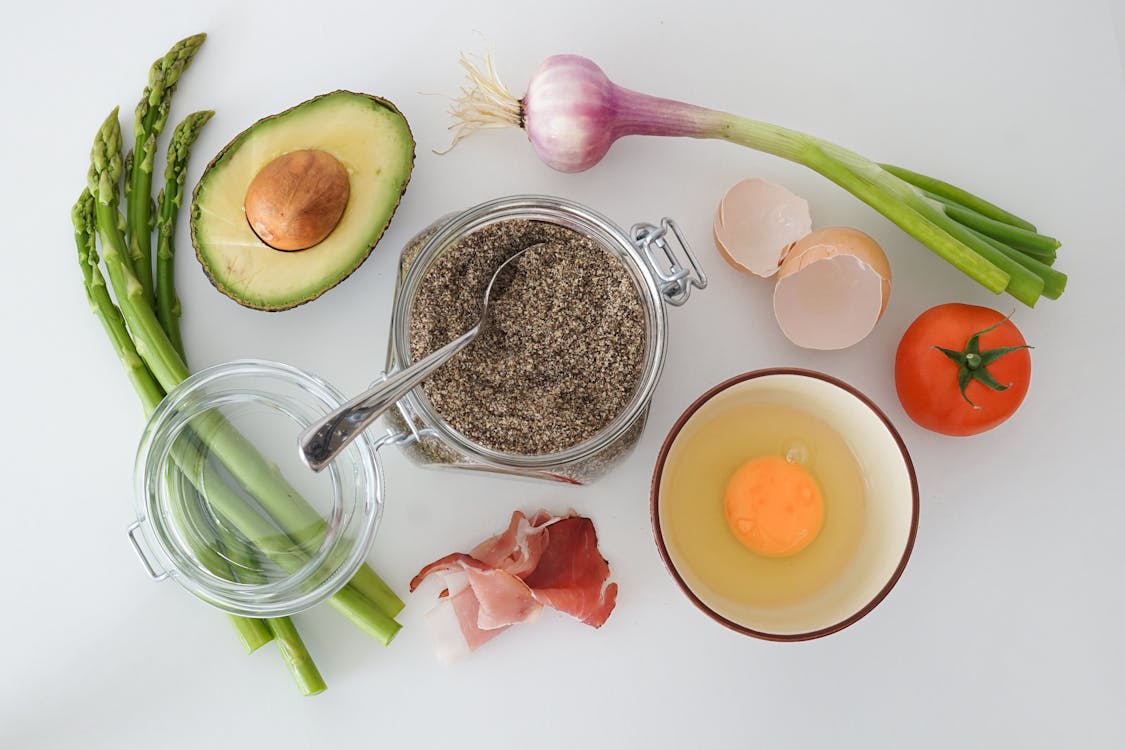
Recipe:
Grilled Salmon with Lemon & Herbs:
- 4 salmon fillets (about 4 oz each)
- 1 tablespoon olive oil
- 1 tablespoon lemon juice
- Fresh herbs (rosemary, thyme, or dill)
- Salt and pepper to taste
- Preheat the grill or grill pan to medium-high heat.
- Rub the salmon fillets with olive oil and lemon juice.
- Sprinkle with fresh herbs, salt, and pepper.
- Grill the salmon for about 4-6 minutes per side, until the fish is cooked through and flakes easily with a fork.
Quinoa Salad with Roasted Vegetables:
- 1 cup quinoa
- 1 red bell pepper, diced
- 1 zucchini, diced
- 1 tablespoon olive oil
- Salt and pepper to taste
- Fresh parsley or basil for garnish
- Cook the quinoa according to package instructions.
- Preheat the oven to 400°F (200°C).
- Toss the diced vegetables in olive oil, salt, and pepper, then spread them on a baking sheet.
- Roast the vegetables for 20-25 minutes, until tender.
- Toss the cooked quinoa with the roasted vegetables and garnish with fresh herbs.
Steamed Broccoli with Olive Oil & Garlic:
- 2 cups broccoli florets
- 1 tablespoon olive oil
- 2 garlic cloves, minced
- Salt and pepper to taste
- Steam the broccoli for 5-7 minutes, until tender.
- In a pan, heat olive oil and sauté the garlic until fragrant.
- Toss the steamed broccoli with the garlic oil, salt, and pepper.
Fresh Fruit Salad with a Drizzle of Honey:
- 1 cup mixed fruit (strawberries, blueberries, orange segments, and grapes)
- 1 tablespoon honey
- Combine the mixed fruit in a bowl.
- Drizzle honey over the top and toss gently.
This dinner is packed with protein from the salmon, fiber and healthy fats from the quinoa and vegetables, and vitamins from the fresh fruit. It's an excellent choice for a nutrient-rich and balanced meal.

Health Tips to Follow After Dinner:
After enjoying a healthy dinner, it's important to follow certain practices that promote digestion and overall well-being:
1. Wait Before Lying Down
- Allow your body some time to digest the meal before lying down. It's recommended to wait at least 30 minutes to an hour before going to bed to prevent heartburn or indigestion.
2. Drink Water
- Hydrate well after dinner, but avoid drinking large amounts of water immediately after eating to prevent disrupting digestion. Sipping water throughout the evening is ideal.
3. Take a Light Walk
- A gentle post-dinner walk can aid digestion and help regulate blood sugar levels. It doesn't need to be intense; a 10-15 minute stroll around the block is sufficient.
4. Avoid Late-Night Snacking
- Resist the urge to snack after dinner, especially on unhealthy foods. Late-night snacking can interfere with sleep quality and contribute to weight gain.
5. Practice Relaxation
- Engage in calming activities, such as reading, meditating, or practicing deep breathing, to prepare for a restful night's sleep. Reducing stress levels can improve sleep quality and overall health.
6. Limit Caffeine and Alcohol
- Both caffeine and alcohol can disrupt sleep patterns. It’s best to avoid these beverages in the hours leading up to bedtime.

